
India’s Trusted Food Brand: What Trust Really Means | Maximus
India’s Trusted Food Brand: What Trust Really Means and How Maximus Earns It
India’s trusted food brand is rarely the loudest one on the shelf. In fact, ask ten Indian families why they buy the same brand year after year, and you will hear one answer ten different ways. “We trust it.” Nobody quotes a slogan, but everybody remembers the pack that never let them down. They also mention the taste that stayed the same and the label they could actually read.
That quiet kind of trust is the real currency of the food business. A brand can buy attention in a week, but it takes years to earn a permanent place on a family’s shopping list.
This guide looks at what makes a food brand trusted in India today. First, it covers the signs to look for and the questions worth asking. Then it shows how a young Kerala brand, Maximus, goes about the job. Whether you shop for two people or a house full of cousins, the checklist works for any brand on the shelf, so keep it handy.
Why Trust Matters So Much in Indian Kitchens
Food is personal in India because a meal carries family, festival, and care. So when a mother opens a packet to feed her child, she makes a small decision about safety, health, and love all at once.
That is why Indian shoppers read packs more carefully than people often assume. Because trust is personal, they check dates and look at the seal. Then they ask the shopkeeper, and after that they ask a neighbour. Word of mouth still beats most advertising in this market.
Three shifts have raised the stakes in recent years. Households are smaller, so every purchase feels more deliberate. Working parents have less time to cook from scratch, so they lean on ready-to-cook food. Meanwhile, social media has made people curious about ingredients, factories, and sourcing. As a result, brands now answer questions they never faced ten years ago.
Five Signs of a Food Brand You Can Trust
Trust sounds like a feeling. In practice, however, it rests on a few habits that any shopper can check. These five matter most because every one of them is easy to verify.
1. The Label Tells the Truth
When a brand is trustworthy, the label shows a clear ingredient list with the main ingredient first. It also avoids vague phrases like “meat product” or “flavour blend” that hide more than they reveal.
For example, take a chicken snack. The first ingredient should say chicken. Besides that, it should say which part. However, if the list starts with water, starch, or a long chain of additives, the pack is telling you something about its priorities.
2. Safety Certificates You Can Verify
First of all, every packaged food sold in India must carry an FSSAI licence or registration number. Because that number sits on the pack, you can check it on the regulator’s website. Therefore, a brand that prints it clearly has nothing to hide.
Many families also look for Halal certification because it settles questions about how the product was handled from start to finish. So a trusted brand states these certifications plainly instead of burying them in fine print.
3. The Same Taste Every Time
Consistency is the least glamorous sign of trust, but it is the most important one. For instance, if last month’s pack tasted great and this month’s tasted flat, trust drops fast.
That consistency comes from boring, disciplined work. Brands need stable suppliers, tight recipes, and careful batch checks, but you never see any of it. As a result, you only notice when it fails.
4. Clear Sourcing
Shoppers increasingly ask where their food comes from, so brands need clear answers. A brand does not need to publish every supplier’s name, but it should explain the basics. For example, what is the main ingredient, and how do the pieces get processed? Also, who checks quality along the way?
Vague answers raise doubts, while specific answers build confidence even when the details are simple.
5. A Real Person to Call
Pay attention to what happens after something goes wrong, because that moment shows a brand’s character. Does the brand list a phone number, an email address, and a physical office? Or does it hide behind a web form?
A brand that makes itself easy to reach is telling you it expects to be held to account. Indeed, that attitude says more than any advertisement.
How Indian Shoppers Really Decide
Marketing textbooks describe a tidy journey from awareness to purchase. Real Indian kitchens, however, work differently. In practice, decisions often follow a pattern that looks like this.
To begin with, a recommendation comes in. A cousin, a colleague, or a neighbour mentions a brand that worked for them. Next, the shopper inspects the pack by reading the label, checking the date, and looking for the licence number. After that, one small trial follows, because people rarely buy the family pack on day one. Finally, the family votes. Then, if the kids ask for it again, the brand earns a second purchase.
Notice what is missing from that picture, though. Because trust is personal, a discount rarely decides it, and a famous face rarely does either. Instead, families decide with their own eyes, their own taste buds, and their own children.
Trust Takes Years: The Maximus Story
Maximus did not appear overnight. The brand grew out of ten-plus years inside the FMCG trade, where products race from factory to shelf. Founders Krishnan Nedumbally and Silpa Krishnan gained that grounding first. Krishnan started in FMCG distribution in 2015, so he learned how products move from factory to freezer to family table.
That background shaped the brand’s priorities, because distributors see exactly what goes wrong in the cold chain. They also see what shoppers return and what they reorder. So Maximus took those lessons and built a frozen food range around them.
Today, the company works from Kottakkal in Malappuram, Kerala, while it expands across India. Its stated aim is to bring technology, quality, and global standards to India’s frozen food sector. The ambition is large, but the approach stays practical: make food that is hygienic, tasty, and quick to cook.
What Maximus Puts on the Table
The Maximus range centres on ready-to-cook chicken and snacks, because busy kitchens need food that cooks fast. Every product carries the same “3 Minute Delight” promise, although the momos take a little longer.
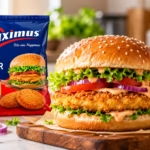
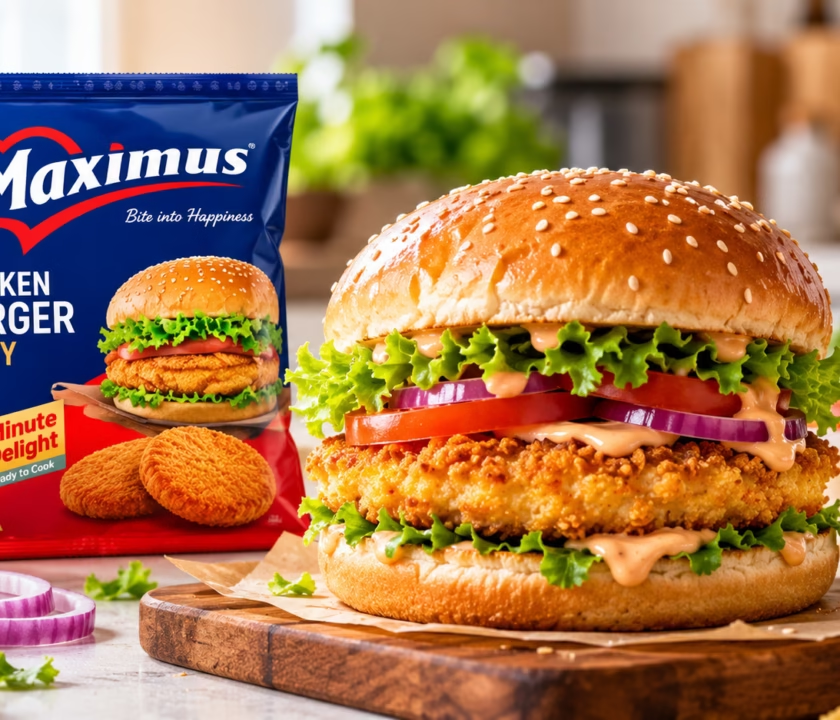
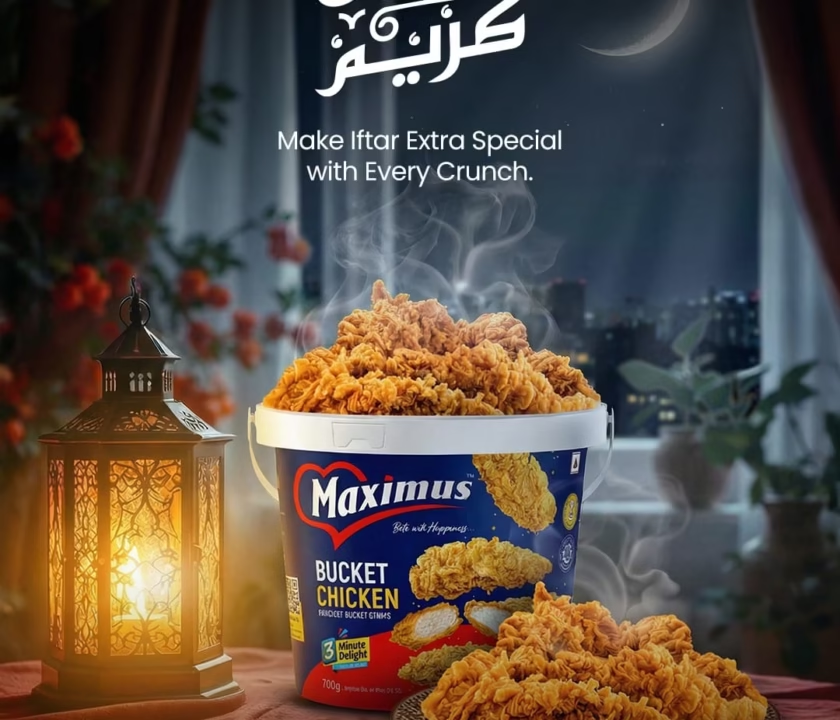
The lineup includes chicken nuggets in 400g and 1kg packs, chicken burger patties in 500g and 1kg packs, and chicken popcorn in 400g and 1kg packs. There are also bucket chicken boneless breast strips for gatherings. Meanwhile, chicken momos and veg momos steam in about seven minutes, which makes them a quick snack.
The range stays focused on purpose because each item solves a real problem. For example, nuggets handle the after-school rush, while patties handle burger night. Likewise, bucket chicken handles the party, and momos handle the craving.
How to Check Any Food Brand Yourself
You do not need a laboratory to judge a brand, because a five-minute routine at the shelf or at your own kitchen counter tells you plenty. Try it whenever you pick up a new pack.
- First, read the first three ingredients, because they should match what the pack promises.
- Next, find the FSSAI number and confirm that it appears on the pack.
- Then check the manufacturing date, since a recent date suggests quick turnover.
- After that, look at the packaging, because torn seals or ice crystals suggest storage problems.
- Also look for contact details, because a phone number and email show accountability.
- Finally, cook a small portion and judge the taste and texture before you buy in bulk.
Brands that pass all six checks deserve a second look. However, brands that fail two or more deserve a pause.
Common Myths About Trust and Frozen Food
Frozen food still carries a few unfair assumptions, so clearing them up helps shoppers judge fairly.
Myth: Frozen Means Old
Freezing stops time. As a result, food frozen soon after preparation keeps its quality well, as long as the cold chain stays unbroken. However, the real question is how quickly the product reached the freezer, not whether it sits in one.
Myth: Big Names Are Always Safer
Size does not guarantee quality, because a large brand can slip and a small brand can excel. Instead, judge each product on its label, certifications, and consistency.
Myth: Trusted Brands Never Change
Good brands do improve, since they refine recipes, update packs, and respond to feedback. Trust, therefore, does not mean standing still. It means keeping promises while you improve.
Where Trust Is Heading in Indian Food
Expect shoppers to ask harder questions over the next few years. For example, QR codes on packs may show batch details, and brands may publish sourcing stories. Meanwhile, reviews and short videos will carry more weight than print advertisements.
Brands that welcome these questions will thrive, while brands that dodge them will struggle. After all, transparency is turning from a bonus into a baseline.
Regional brands have an interesting advantage here because they sit close to their customers. They hear feedback directly, so they can fix issues quickly and tune flavours to local taste. Indeed, that closeness is a form of trust in itself.
The Takeaway
A trusted food brand in India does not shout. Instead, it prints an honest label, holds proper certificates, tastes the same every time, explains its sourcing, and picks up the phone when you call. Anyone can check those five things in a few minutes, so the decision stays in your hands.
Maximus builds on exactly those foundations, because it is backed by a decade of FMCG experience and a Kerala base close to the families it serves. So if you want to see for yourself, try a small pack, read the label, and let your own family decide. You can also explore the full range on the Maximus products page or reach the team through the contact page.
Frequently Asked Questions
What makes a food brand trusted in India?
In short, a trusted food brand prints honest labels, holds a valid FSSAI licence, delivers the same taste in every batch, explains its sourcing, and offers easy ways to contact the company. Families also lean on recommendations from friends and relatives before they commit to a new brand.
How can I check whether a food brand is genuine?
Start with the FSSAI licence number printed on the pack and verify it on the official FSSAI website. Next, read the ingredient list, check the manufacturing date, and look for contact details. Because a genuine brand has nothing to hide, it shows all of this clearly.
Is Maximus a trusted food brand?
Maximus is a Kerala-based frozen food brand founded by Krishnan Nedumbally and Silpa Krishnan, who bring over a decade of FMCG experience. Its products carry FSSAI and Halal certification, and the company publishes a support email and a toll-free line. Still, families should try a small pack and judge the taste for themselves.
Are frozen foods as trustworthy as fresh foods?
Frozen foods can match fresh foods when a brand freezes them soon after preparation and keeps the cold chain unbroken. However, trust depends on handling, ingredients, and labelling rather than on whether the food is frozen or fresh.
Where can I buy Maximus frozen foods?
Because Maximus is based in Kerala and expanding across India, availability varies by city. The brand’s website lists the full product range, and the contact page connects you with the team for stockist details.